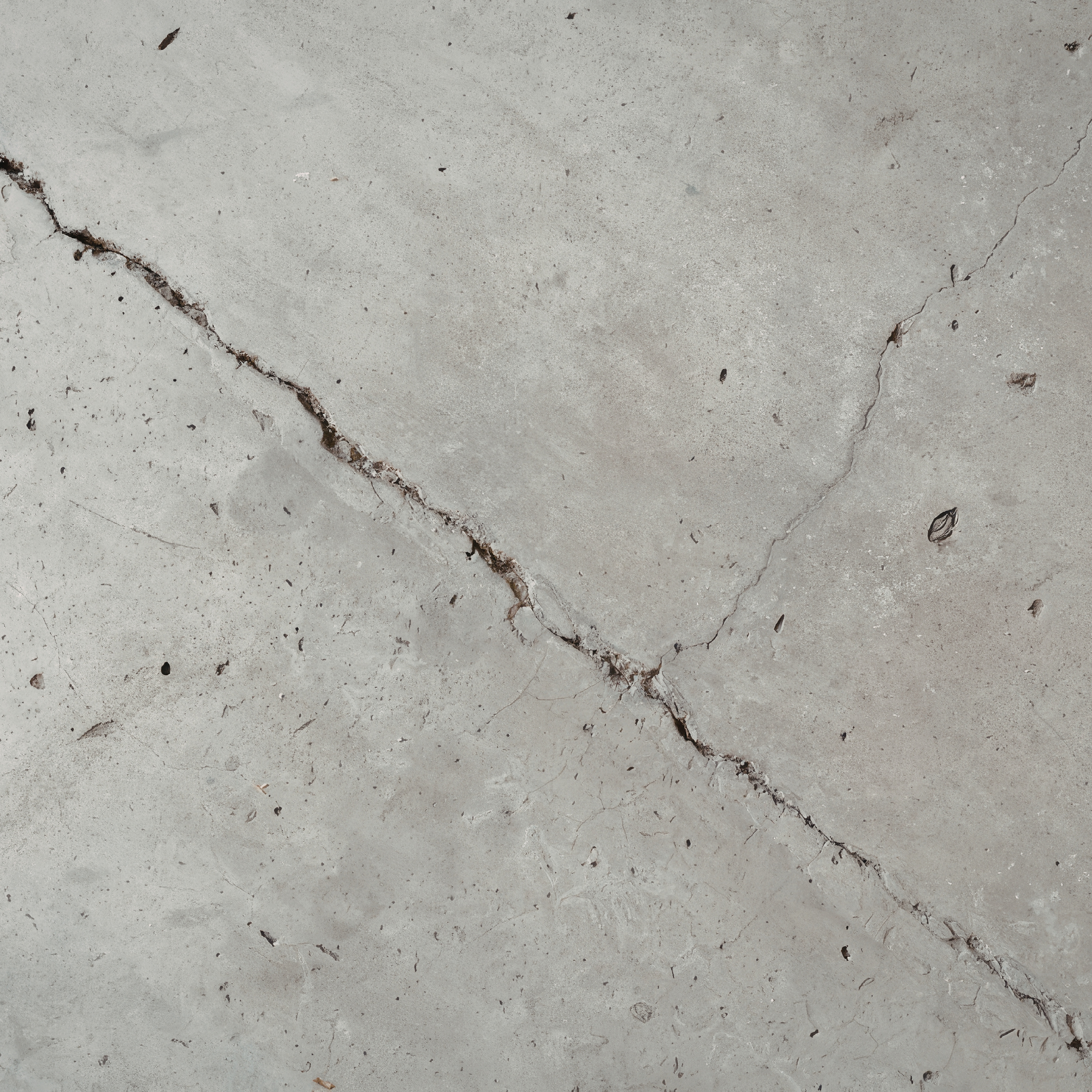
Concrete is a durable building material, but cracks can occur if the installation process is not handled properly.
Understanding the common causes of concrete cracking can help property owners make better decisions when planning a project.
Poor Base Preparation
One of the most common causes of cracking is inadequate base preparation. If the ground beneath the concrete is not properly compacted and graded, the concrete can shift over time.
A properly prepared base helps distribute weight evenly and reduces movement.
Improper Reinforcement
Reinforcement such as rebar or wire mesh helps strengthen concrete and control cracking.
Without proper reinforcement, concrete surfaces may be more vulnerable to structural stress and movement.
Rapid Drying
Concrete needs time to cure properly. If the surface dries too quickly due to hot weather, wind, or improper curing methods, cracks may develop.
Professional contractors take steps to control curing conditions and protect the concrete during the early stages.
Drainage Problems
Water buildup beneath or around concrete surfaces can weaken the base and lead to movement.
Good drainage planning ensures water flows away from the concrete installation and reduces the risk of damage.
Heavy Loads
Concrete surfaces that are not designed to handle heavy loads may crack under pressure.
For example, a driveway that supports large vehicles may require thicker concrete or additional reinforcement.
Proper planning and installation can prevent many of these issues and significantly extend the lifespan of a concrete surface.